
 0844 414 6646
Installation Best Practices for Commercial Pump Stations
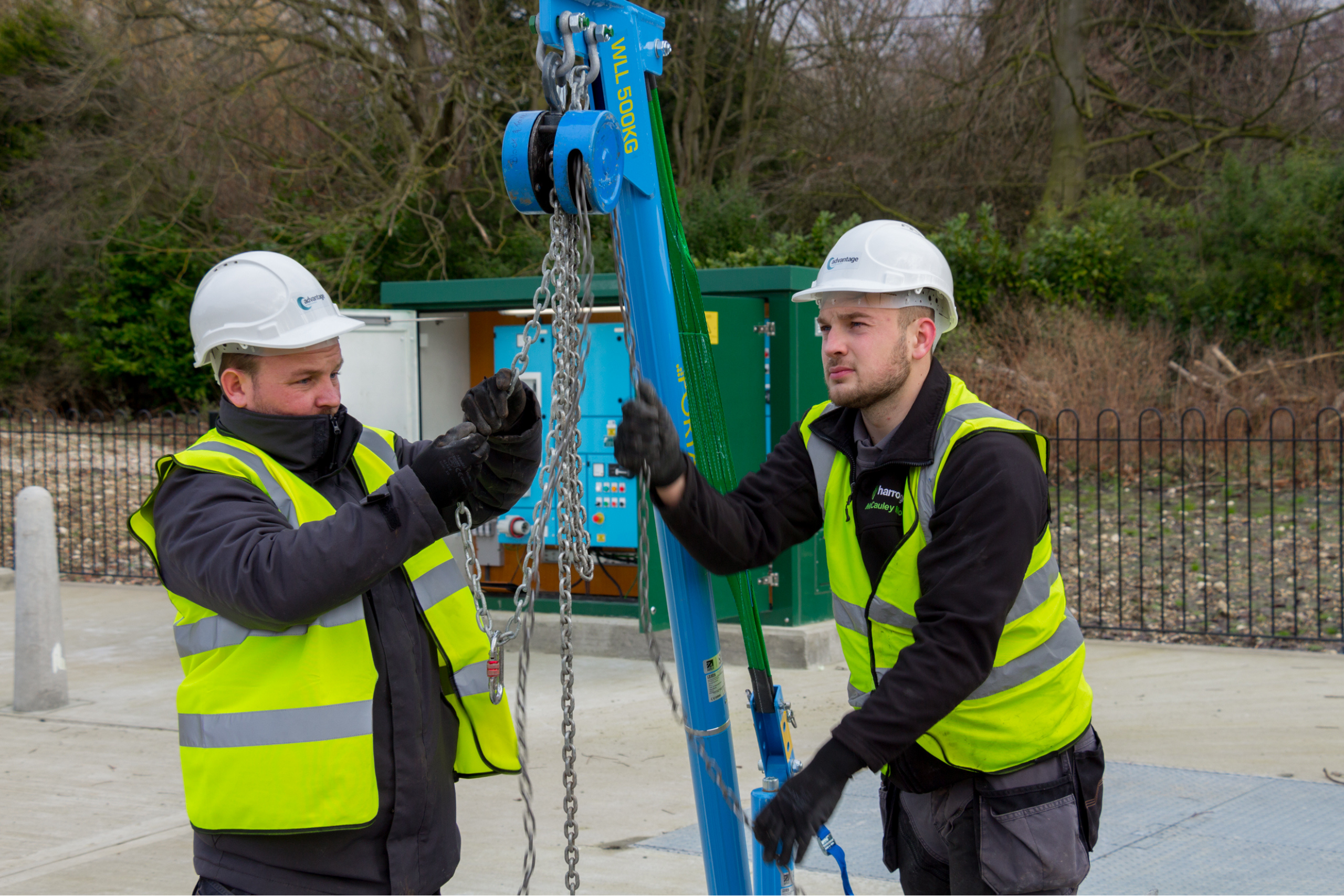
When it comes to delivering commercial infrastructure, few systems are as critical — or as often overlooked — as the pump station.
A well-designed unit is only half the story: even the best specification can fail to perform if the installation isn’t managed correctly.
At Advantage Pumping Solutions, we’ve seen how getting the details right on-site makes the difference between a reliable asset and a long-term liability.
Here are the installation principles every Tier 1 contractor and project manager should follow.
1. Preparation Starts in the Design Phase
Smooth installation begins long before the chamber arrives on site. Early coordination between civil and M&E teams ensures the pump station design matches the actual site conditions — ground levels, pipe falls, incoming flows, and power supply.
We provide pre-installation technical reviews that verify dimensions, loadings, and connection points so groundwork teams aren’t left improvising once excavation begins.
2. Get the Base Right
For larger commercial pump stations, the chamber structure is typically fully cast in concrete, which means the base design plays a vital role in long-term stability and performance.
While we provide guidance on installation methodology, the base design — including slab thickness and reinforcement — should always be confirmed by the client’s structural engineer to reflect local ground conditions and loading requirements.
Getting this early coordination right prevents issues such as settlement, misalignment, or vibration during operation.
3. Backfill with Care
Backfilling may seem straightforward, but it’s one of the most important stages for ensuring long-term structural integrity.
The structural engineer’s design will determine the correct backfill specification and compaction method. What matters is consistency and attention to sequence — particularly on sites with variable ground conditions or high groundwater levels.
In these situations, temporary dewatering and staged filling can prevent buoyancy or distortion during the installation process.
4. Coordinate Civils and M&E Interfaces
A recurring source of delay is the gap between civil completion and M&E connection.
Clear handover between disciplines — complete with as-built levels and pipe orientation — avoids costly rework.
At Advantage, we often provide on-site support during this stage, ensuring discharge pipework, valves, and controls are installed exactly to design.
5. Verify Electrical and Control Systems
Before commissioning, check all electrical connections, cable terminations, and pump rotation.
Control panels should be mounted in accessible, ventilated areas and labelled for future maintenance.
Testing at this stage identifies faults early and ensures smooth commissioning once power is live.
6. Documentation and Sign-Off
Every installation should conclude with a clear handover pack for the client and end user — including as-built drawings, commissioning results, and operational details.
Our installation records provide full transparency for the client, supporting both internal quality assurance and long-term maintenance planning.
Getting It Right First Time
The difference between a successful installation and a problematic one often comes down to attention to detail and expert support.
By engaging with Advantage early, contractors benefit from:
- Expert pre-installation advice.
- On-site technical support during civils and M&E.
- Commissioning by experienced engineers.
The result is faster completion, fewer remedials, and reliable long-term operation.
Talk to our technical team about installation guidance for your next project.